
Laughing Matters
Writing Humour in Non-Fiction

By Linda Brown - Core Contributor
ISSN 2977358x (online)
Is it really appropriate to make a reader laugh when you are trying to tell them something true?
It’s a dilemma many non-fiction writers wrestle with. We worry that, in a piece of writing aimed to inform, humour might dilute the seriousness of our subject, undermine credibility, or – worst of all – misfire and push our readers away.
Yet humour can do the opposite. Used skilfully, it helps readers connect with your writing.
I like to sprinkle a light touch of humour into the nature-walk articles I write. I find it gives vibrancy to my writing, making my pieces relatable and engaging, and less likely to read like a dry, plodding sermon from a mossy pulpit. It’s all about finding the right tone for my piece.
To Joke or Not to Joke?
Many writers hear the word ‘humour’ and immediately imagine thigh-slapping comedy, drum-roll punchlines or complicated gags. But in non-fiction the best humour often emerges naturally from the prose – it’s amusing and subtle, not brash, bold and in your face.
Of course, humour isn’t suitable for every type of non-fiction. Topics involving trauma, tragedy or conflict require an authoritative pen writing with sensitivity and compassion, and jokes, however mild, can feel jarring and disrespectful. Likewise, comedy is also best avoided in academic writing or technical manuals where clarity is essential.
Guess Who’s the Butt of the Joke?
Self-deprecating humour – the art of poking fun at yourself - works well in non-fiction. It’s an effective tool I often use in my own work. While rambling through the countryside on my nature adventures, I’ve slipped down a muddy bank on my well-padded ‘butt’, skittered like Bambi on ice across a frozen patch of road, and tripped over a tangle of bramble briars to land, knees and hands first, on jaggy thistles. Ouch indeed. These little mishaps have all found their way into my writing. They add warmth and honesty to my articles without distracting from the factual information I’m sharing about nature and wildlife. But moderation matters. Use self-deprecation sparingly. Constantly belittling yourself is tiresome and may appear forced and false. Where a well-placed moment of self-mockery can raise chuckles, a relentless stream risks disengaging readers.
Observing the Small Stuff
Observational humour is my favourite technique to draw on when I’m writing my nature articles. It doesn’t rely on jokes or poking fun at yourself; instead, it springs from noticing the small quirky details of real life. For instance – a female goosander on the river is described as ‘a cocky punk yachter sailing downstream’ and on climbing a steep lung-bursting incline, I’m thinking - ‘I’m so focused on getting this hill far behind me, that if a giant dodo were to pop out from the undergrowth and dance the Macarena, I wouldn’t even be tempted to stop and snap its photograph.’
Of course, I’m an amateur at this style of writing compared to masters of the craft like love-him-or-loathe-him, Jeremy Clarkson, and the wonderfully witty Bill Bryson – both prolific writers of non-fiction books. Bryson’s humour is rooted in sharp observation and gentle exaggeration. He notices the odd, the awkward and the ridiculous in everyday life then writes about them with wry and affectionate exasperation. And it works brilliantly.
Good observational humour should resonate with readers and ask them – ‘You’ve noticed this too, haven’t you?’
Laughs from the Past
Humour sits naturally in memoir and autobiographical writing. Life is, of course, unpredictable, contradictory and full of unintentional situations that make us laugh. Even serious issues such as family tension, relationship chaos and grief can contain absurd moments and comic misunderstandings. Without glimmers of light relief, a memoir can feel emotionally heavy and a bit of a yawn to read. Readers don’t want a monotone chapter-and-verse account of events; they want to connect with the writer’s personality, relate to their quirky lived experiences, and feel the warmth, honesty and humanity that makes a story worth reading to the end. More simply, they want to laugh with the writer, not at them.
In Scottish writer, Janice Galloway’s powerful memoir This Is Not About Me, reflecting on her early life in an Ayrshire coastal town, Galloway has perfected the above. She writes with unflinching honesty about the poverty and chaos of her childhood and the impact of her older sister’s volatile behaviour. What lifts the memoir is Galloway’s razor-sharp humour. Her dry wit and funny observations give her work spark and provide flashes of light relief that make the harder moments bearable without ever trivialising them.
Laughing Till the End
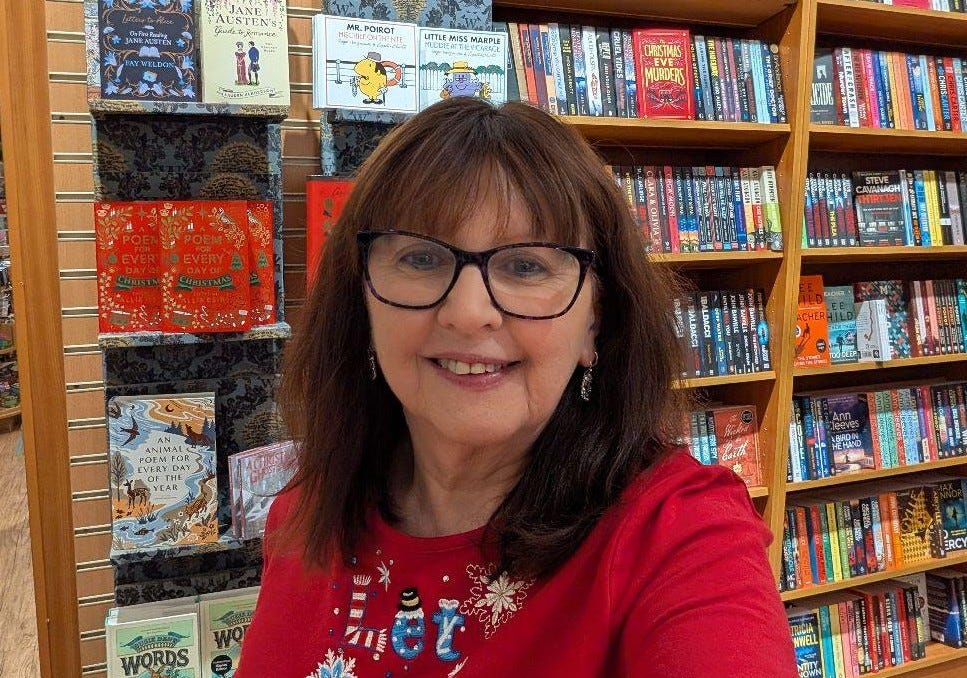
When I wander around my local bookshop, I’m reminded how comfortably humour sits within non-fiction. The shelves are packed with it: Horrible Histories have younger readers creasing with laughter while at the same time learning; Michael Palin’s travelogues, blend curiosity with his gentle wit; the hilarious musings of Billy Connolly; the wry reflections of Alan Bennett. There are original, and sometimes offbeat, guides to pastimes like trainspotting, bird-watching and hare raising (really), plus a whole host of amusing books on topics ranging from wild swimming to world history, gardening to geography and even menopause to map-making – check out the delightfully daft Map Men: This Way Up.
These books prove that factual writing doesn’t need to be po-faced to be trustworthy. Comedy and humour, when used with care, don’t detract from information – they can enhance it and make it memorable. Yes, they entertain, but still educate, opening the door for readers to learn something true while enjoying the literary journey.
Lastly, the best way to learn about writing humour in non-fiction is, of course, to read it. Here’s a few of my favourites. Hope you have a chuckle.
*There and Back – Michael Palin
Rambling Man – Billy Connolly
Enough Said – Alan Bennett
The Trainspotter’s Notebook – Francis Bourgeois
A Dumb Birds Field Guide to the Worst Birds Ever – Matt Kracht
Raising Hare – Chloe Dalton
And anything by the brilliant Bill Bryson!
Do you use humour in your non-fiction writing? I’d love to hear about it in the comments.
Author Bio
Linda Brown writes a variety of articles including nature and historical for Ayrshire Magazine. A two-time President of Ayr Writers’ Club, she has won several awards for both fiction and non-fiction with the Scottish Association of Writers. Linda is a member of Litereight, a collective of female writers in Ayrshire, and is published in their anthology. She will serve as Development Officer for the Scottish Association of Writers in 2026, and is currently working on her debut historical crime novel.
Loved the reference to Bill Bryson. The man is a genius at sharing legitimate information while making the reader laugh.